By Brian · October 7, 2026
Stocking Stuffer Ideas That Do Not End Up in a Drawer
Stockings fail because they get filled last, in a panic, from whatever is near the register. A six-slot structure that works for any recipient, real ideas for each slot, and the categories to stop buying entirely.
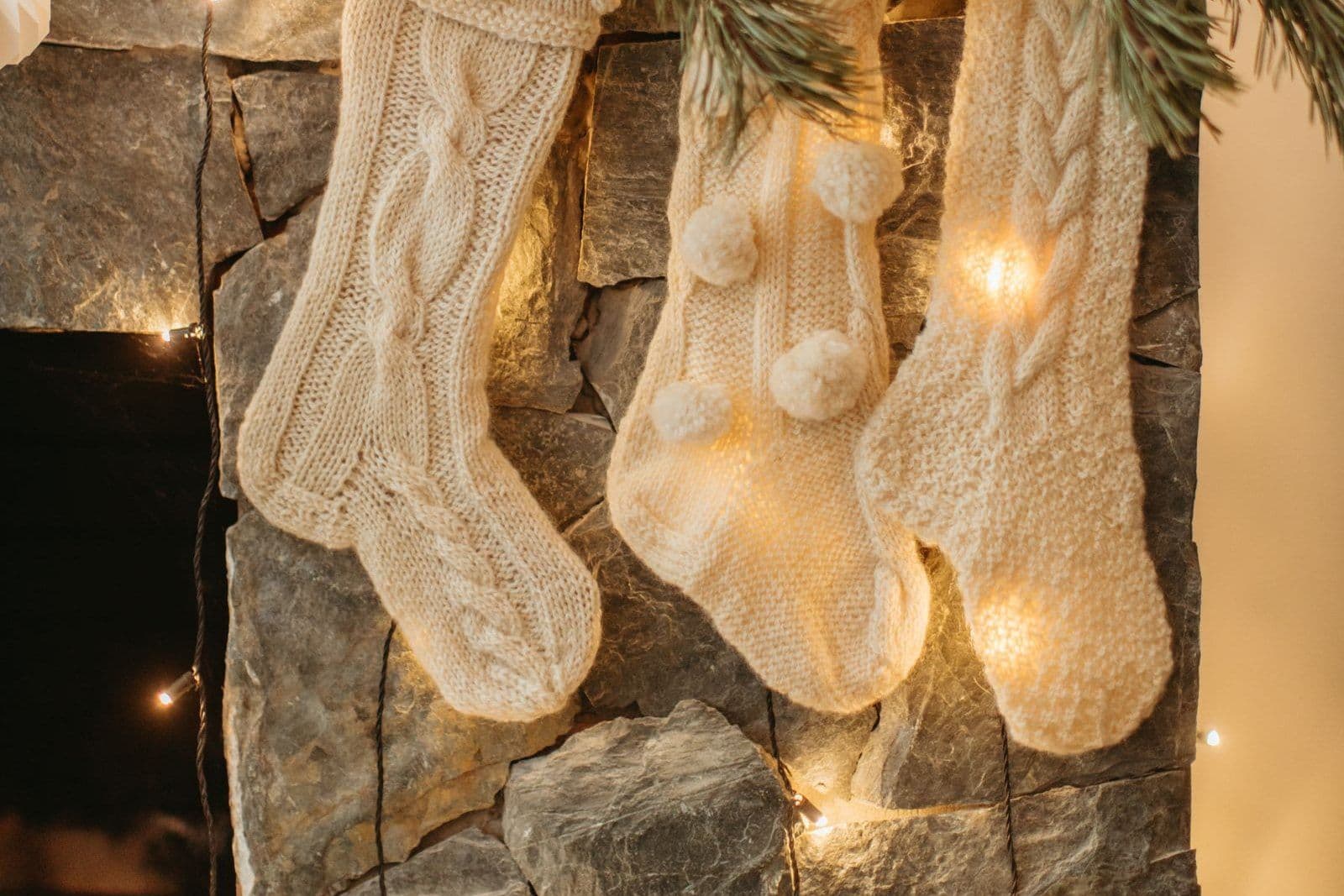
Ask people what they actually remember from Christmas morning and a surprising number will describe the stocking rather than the presents under the tree. It is the part you get to first, usually in the dark, usually before anyone has had coffee.
It is also, in most houses, the only part of Christmas that gets no planning at all. The tree gifts are considered for weeks. The stockings get filled on December 23 from whatever is stacked near the register.
That is the entire problem, and it has a structural fix.
Six slots, not a shopping list
The reason stockings go wrong is that "small gift" is not a useful category to shop for. It sends you to the aisle of things that exist purely to be small, which is where novelty items live.
Fill six defined slots instead. It works for a four-year-old and a seventy-year-old, and it stops the drift toward five variations of the same thing.
- Something to eat. The one nobody regrets.
- Something to read, play, or do. A book, a puzzle, a deck of cards.
- Something practical they will use up. Socks, a good pen, lip balm, batteries.
- Something small and funny. One per stocking. This is the slot people overfill.
- One thing they want but would not buy themselves. The upgrade slot, and where most of the budget goes.
- The toe. Traditional, cheap, and it fills the narrow end.
Six slots also solves the volume problem. A stocking needs to look full, and a structure gets you there with six considered things rather than fourteen unconsidered ones.
The upgrade slot is the one that matters
If you take one idea from this article, take this: the best stocking gift for anyone over about twelve is a better version of something they already own and use constantly.
Adults do not need new categories of object. They need the worn thing replaced with a good one, and they will not do it themselves because the existing one technically still works.
- The everyday socks, but the pair that costs four times as much and lasts six.
- The kitchen knife they have been meaning to replace.
- Real coffee, from a roaster, rather than what is on offer.
- A phone cable that is not fraying at the connector.
- The good chapstick, the good hand cream, the good pencil.
- A headlamp, for the person who currently uses their phone flashlight in the attic.
This is also the slot where the money should sit. Five thoughtful dollars across five items reads as filler. Twenty-five dollars on the thing they use every day reads as attention, which is what people are actually responding to when they say a gift was thoughtful.
By recipient
The structure holds. The contents shift.
Small children. Weight the practical and edible slots and keep the object count low. At this age the wrapping and the unwrapping are most of the experience, so wrapping four small things beats leaving eight loose. Avoid anything needing batteries unless the batteries are in the stocking. Bath crayons, a matchbox car, stickers, a satsuma, a chocolate coin, one small book.
Older children. The upgrade slot starts working here. Better art supplies than the school ones, a proper deck of cards, the specific pen everyone at school has. Consumables land well because they carry no expectation of being kept.
Teenagers. Consumables and money-adjacent things. Skincare they actually use, a gift card for something specific rather than general, phone accessories, snacks with some novelty to them. The funny slot is worth more here than at any other age and the practical slot is worth least.
Adults. Upgrades, consumables, and one thing that is purely for enjoyment. The failure mode with adults is buying them a small object to open, which is how households accumulate desk toys. If in doubt, edible and excellent.
The person who says they want nothing. Take them at their word and buy entirely consumable. Good coffee, good chocolate, the nice soap, a bottle of something. Nothing to store, nothing to display, nothing to feel obliged about.
If you are stuck on a specific person rather than a category, our gift finder works from who they are rather than what is trending, and the best Christmas gifts by persona goes deeper on the main gift.
The toe
An orange or tangerine, nuts, and a chocolate coin. It is the oldest part of the tradition still in common use.
The usual explanation ties it to Saint Nicholas dropping gold for three sisters' dowries, with the fruit and coins standing in for the gold. Whether or not that is the true origin, the practical logic held for centuries: citrus in December was a genuine luxury in most of Europe and North America, and it filled the awkward narrow end of a stocking cheaply.
It still does both jobs. A satsuma costs almost nothing, occupies the part of the stocking nothing else fits, and is the one item nobody has ever been disappointed to find.
If you want more of where these customs came from, the history of Santa Claus covers how a fourth-century bishop turned into the figure filling the stocking in the first place.
What to stop buying
Four categories, and cutting them will improve the stocking more than anything you add.
Novelty plastic. The rubber thing, the wind-up thing, the desk gadget. Three seconds of Christmas morning, then a drawer until August.
Anything sized to a guess. Gloves, rings, slippers, clothing. Wrong sizes are a January errand, and the stocking is not the place to be sizing anything.
Battery-dependent items without the batteries. A toy that cannot be used on the day it is opened is a small tragedy for a child and a chore for whoever is hosting.
Gift cards loose at the bottom. They work perfectly well as stocking gifts and they get thrown out with the wrapping paper every single year. Tape it to something, or put it in an envelope with a name on it.
Buy it all in one October pass
The whole failure mode is time pressure, so remove it.
Sit down once in October with the list of names, write six lines under each, and buy the lot in one session. This takes about an hour and does three things: it kills the checkout-counter purchases, it gives you time for anything that needs ordering, and it means December 23 involves filling stockings rather than sourcing them.
Store everything in one labeled box, out of sight. The most common self-inflicted wound in this whole exercise is buying good stocking gifts in October and finding them in February.
If you are running the season to a number, the gift budget calculator will hold a per-person stocking line, and the best time to buy Christmas decorations covers the wider question of when the good stock actually disappears.
The stocking itself
Worth a sentence, because it is the one part you buy once and use for thirty years.
A stocking that hangs well, holds weight without stretching, and matches the rest of the mantel is a decor object as much as a container. The cheap felt ones sag by year three and look it. The best Christmas stockings covers what separates one that lasts, and Christmas stocking ideas by style matches them to what your mantel is already doing.
Whatever you hang them from needs to take the weight, which sounds obvious until the third stocking pulls a stick-on hook off the brick at six in the morning.
The short version
Six slots per stocking. Put the money in the upgrade slot and the volume in the toe. Buy consumables for adults, keep the object count low for small children, and wrap things for anyone under six.
Do it in one pass in October, from a written list, and put the box somewhere you will find it again.
Then on Christmas morning the best part of the day is the part you actually planned, which is not how it usually goes.
Share this guide
Frequently asked questions
What should I put in a Christmas stocking?
How much should I spend on stocking stuffers?
What are good stocking stuffers for adults?
What goes in the toe of a Christmas stocking?
What should you not put in a stocking?
When should I start buying stocking stuffers?
Keep reading
Christmas Stockings: How to Choose, Hang, and Fill Them (by Style)
The most personal piece of Christmas decor, done right. How to choose stockings by decorating style, the heirloom and needlepoint options worth keeping, how to hang them with or without a mantel, and what to actually put inside.
Christmas Decor Under $50 That Looks Expensive
Expensive-looking Christmas decor is a materials trick, not a budget trick. Velvet, brass, real-feel greenery, and warm light read as rich at any price. Seven under-$50 pieces that prove it, and the cheap tells to avoid.
The Best Christmas Stockings to Buy (by Style)
How to choose Christmas stockings and what's actually worth buying, by style: classic velvet, cozy knit, farmhouse check, modern neutral, personalized, and pet. Plus how to hang them beautifully even with no mantel.
Prefer pen & paper?
The Christmas Planner
A 25-page printable kit covering budget, gifts, hosting, and decor, built on the same planning logic as this tool. Print it once, keep it in a binder, and reuse it every year.
Or grab 3 pages free first.
Decor that suits the home you have.
Seasonal decorating tips and the occasional new tool, straight to your inbox. One list, no spam.