Christmas in
Japan
Celebrated: December 24 (Christmas Eve) and December 25
Signature traditions
- 1.KFC for Christmas dinner, a tradition since a hugely successful 1974 marketing campaign ('Kentucky for Christmas')
- 2.Strawberry shortcake (kurisumasu keki) (a sponge cake with whipped cream and strawberries) on Christmas Eve
- 3.Christmas Eve is a romantic date night, treated more like Valentine's Day than a family holiday
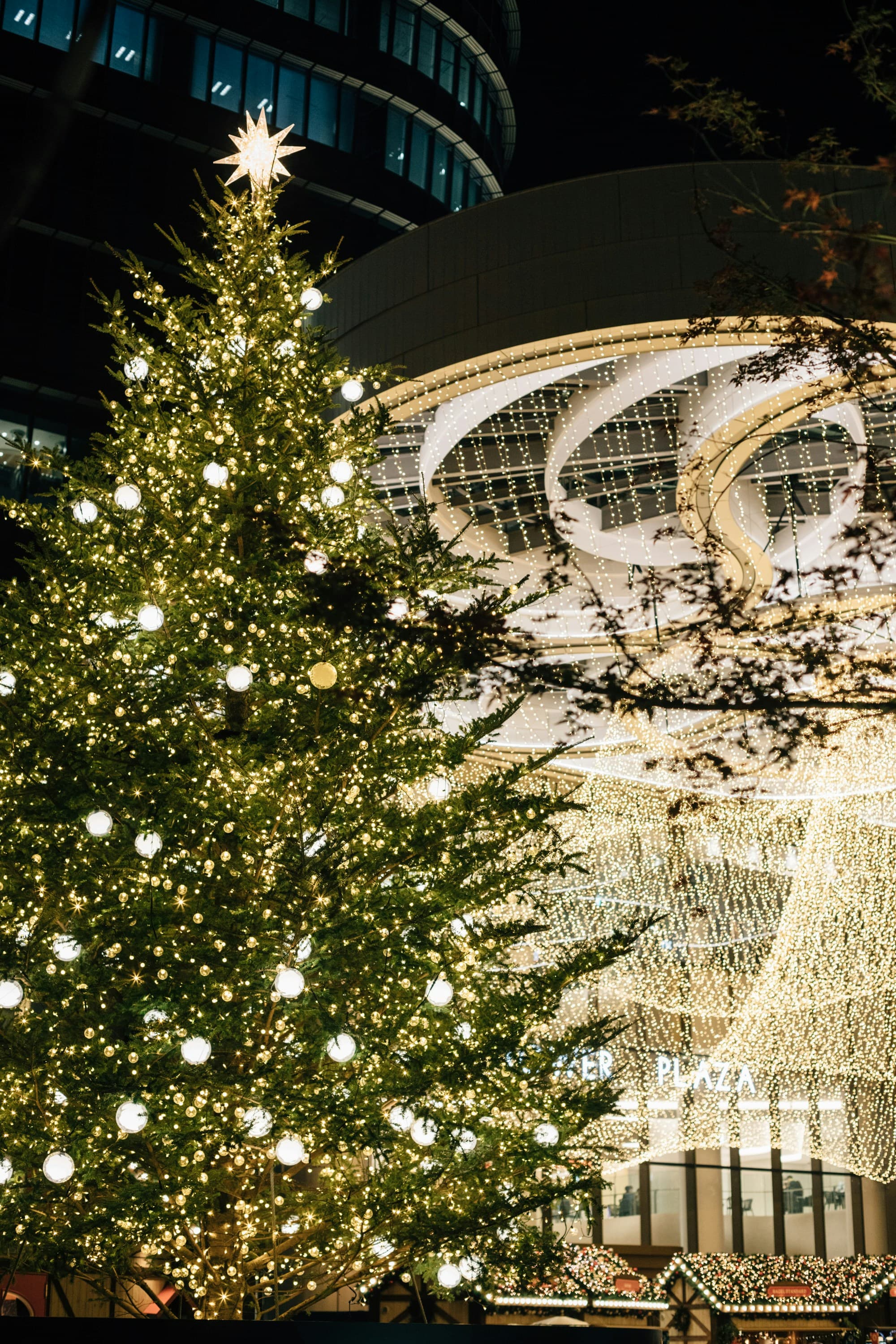
- 4.Elaborate light displays (illuminations) in major city districts from November onward
- 5.Christmas isn't a national holiday, most people work on December 25
What's on the table
KFC and strawberry Christmas cake
Reservations for KFC's Christmas Eve barrel are made weeks in advance. Strawberry shortcake (red strawberries on white cream, Japan's national colors) is the iconic Christmas dessert, eaten on the evening of December 24.
The iconic decoration
Illuminations
Major Japanese cities stage massive synchronized light displays (illuminations) in commercial districts. The displays in Tokyo's Marunouchi and Osaka's Hikari Renaissance draw millions of visitors through December.
How gifts are given
Couples exchange gifts on Christmas Eve. Children receive presents from Santa Claus on Christmas morning, but the family-centered gift exchange of Western Christmas isn't widely observed.
But who delivers yours?
There are eight cultural Christmas gift-givers around the world — Santa Claus, La Befana, the Yule Lads, Ded Moroz, Sinterklaas, the Three Kings, Christkind, and Joulupukki. Take the 6-question quiz to find out which one matches you.
Take the gift-giver quizDid you know?
The 'Kentucky for Christmas' campaign by KFC Japan in 1974 was so successful that more than 50 years later, millions of Japanese families still order KFC for Christmas Eve, making late December some of the chain's busiest days of the year in Japan.
The shape of the season
Christmas in Japan is, technically, not a holiday. December 25 is a normal working day. Schools are in session. Offices stay open. The actual Japanese winter holiday is New Year's (shōgatsu), which is the family-gathering, traditional-food, three-day-affair that Christmas occupies elsewhere. And yet Japan has built, over the last fifty years, one of the most distinctive Christmas cultures on Earth. It's a fully secular, mostly commercial, intensely romantic interpretation of a holiday borrowed from a culture that's less than 1% of the population.
The season runs from late November through Christmas Eve. The aesthetic is extraordinary (Japanese cities do illumination displays that rival anything in Europe) and the rituals are surprisingly tight: KFC for dinner, a strawberry shortcake for dessert, and a romantic date with a partner. That's the canonical Japanese Christmas. Then on December 26, everything snaps back to normal and the country pivots to preparing for New Year's.
KFC for Christmas
The most famous Japanese Christmas tradition, possibly the most famous Japanese food story of any kind, is the KFC Christmas dinner.
In 1974, KFC Japan ran an advertising campaign called Kurisumasu ni wa kentakkii, or "Kentucky for Christmas." The campaign played on a niche observation: a handful of foreigners living in Japan, unable to find turkey for their Christmas dinner, were buying fried chicken as a substitute. KFC turned the workaround into a national tradition through sheer marketing force. They positioned the bucket of fried chicken as the appropriate Japanese Christmas meal, ran it for years, and then it stuck.
In 2026, on December 24, a typical KFC in Tokyo, Osaka, or any major Japanese city sees lines that go around the block. Most families pre-order their Christmas KFC weeks in advance. The chain takes reservations starting in early November, and walk-ins on December 24 face long waits. The "Christmas Party Barrel" includes the chicken, sides, a cake, sometimes commemorative plates or a Colonel Sanders figurine, and is timed to be ready for pickup at a specific evening hour.
The days around Christmas are KFC Japan's busiest of the year by a wide margin. The campaign is one of the most successful marketing operations in modern commercial history, and it's the textbook case study in how to engineer a tradition from scratch: slow, consistent, and rooted in something half-true rather than fabricated.
Christmas cake
The second canonical Christmas food is Kurisumasu kēki, the Christmas cake. It is, almost without exception, a strawberry shortcake: layers of light sponge, fresh whipped cream, and fresh strawberries (which are in peak season in Japan in December), iced with more whipped cream and decorated with more strawberries on top. The color scheme, red and white, is partly seasonal (strawberries and cream are December's ingredients) and partly symbolic (red and white are the Japanese national colors and appear in many celebratory contexts).
Like KFC, the Christmas cake is heavily pre-ordered. Bakeries, convenience stores, and department-store food halls (depachika) all sell them, and the depachika versions can run $50-100 for a small cake, with the most coveted being from Pierre Hermé, Henri Charpentier, or whichever chef-driven patisserie has the year's it-cake. Combini chains like 7-Eleven, FamilyMart, and Lawson all release their own Christmas cakes too, much cheaper but still enormously popular.
There's a complicated cultural slang term here. "Christmas cake" was historically used to describe an unmarried woman over 25, the reasoning being that no one wants a Christmas cake after December 25. This was always crass and is now mostly retired, but you'll find references to it in older media.
Christmas Eve is the romantic night
The cultural beat that surprises most foreigners: Christmas Eve in Japan is the most romantic night of the year. It's not a family holiday at all. It's a date holiday. Couples go out for dinner at a nice restaurant (Christmas Eve dinner reservations are scarce, and the prix fixe menus are wildly elaborate). They exchange gifts. They visit one of the major illumination displays, whether Tokyo's Caretta Shiodome, Roppongi Hills, Marunouchi, or Osaka's Hikari Renaissance, and walk hand-in-hand through tunnels of lights for hours. (Kobe's famous Luminarie, once a December fixture, has been held in late January since its 2024 relaunch.) Hotel rooms in major cities sell out for the night at marked-up rates.
The cultural template is closer to Valentine's Day than to American Christmas. Single people often spend Christmas Eve alone or with friends, slightly aware that everyone else seems to be on a date. The pressure to be coupled-up for Christmas Eve has been the subject of countless Japanese songs, films, and TV dramas.
December 25 then snaps back. It's a workday. Decorations come down quickly. By December 26, store windows that displayed Christmas trees the day before now display elaborate New Year's kadomatsu arrangements (bamboo and pine). The transition is one of the fastest holiday turnovers anywhere, and the speed is part of what makes Japanese seasonality so distinctive.
Inside the home (and outside)
Christmas in Japanese homes is restrained. Apartments are small. Storage is precious. Families with young children may put up a small artificial tree on a console table, decorated with simple ornaments. Many homes don't decorate at all, since the celebration is more public than domestic.
The public spaces are where the real visual story is. Tokyo, Osaka, Kobe, and other major cities do illuminations on a scale that rivals the most committed European displays. Roppongi Hills' Keyakizaka illumination, half a million LED lights spanning blue, white, and amber along the slope of one of Tokyo's most photographed streets, runs from November through Christmas Day and draws enormous crowds every evening. Shibuya, Marunouchi, and Tokyo Midtown all run their own competing displays. Universal Studios Japan and Tokyo Disneyland do elaborate Christmas parade and lighting overlays from early November.
Shopping districts string lights down every street. Department stores commission custom Christmas window installations rivaling anything in New York or Paris. Cafés, restaurants, and convenience stores all switch over to Christmas music in early December, the canonical track being Yamashita Tatsurō's 1983 song "Christmas Eve," which has charted in the Japanese top 100 every December since 1987 without fail.
How gifts are given
Gift-giving in Japan happens between couples on Christmas Eve, not within families on Christmas Day. The gifts tend to be small and personal: jewelry, watches, a designer accessory, something handwritten. Family gift exchange exists but is muted compared to the romantic gift-giving; the larger gift-giving holiday is oseibo (year-end gifts given to bosses, mentors, and people you owe gratitude to) in mid-December, which is a separate practice entirely.
For children, Santa-san delivers gifts on Christmas morning, in a tradition imported wholesale from the West. But the scale is much smaller than American Christmas, typically one or two presents per child, often left at the foot of the bed rather than under a tree.
If you wanted to borrow this tradition
The Japanese idea to steal outright: a strawberry shortcake on Christmas Eve. The aesthetic is gorgeous, the timing is right (December is American strawberry season in the southern Sun Belt and excellent in California), and the dessert is light enough to follow a heavy meal. Most American supermarket bakeries can match the style with a phone call. Substitute for the heavy fruitcake or yule log if you want a clean, photogenic, less-stuffy Christmas dessert.
The illumination culture is harder to borrow at a household level but the principle (that public Christmas displays should be a destination, not a backdrop) is worth thinking about. American cities tend to put up lights on things (storefronts, light posts) but rarely build the kind of immersive walk-through installations Japan does. Botanical gardens, city parks, and zoo light shows are the closest American equivalent and they're growing fast.
KFC for Christmas dinner doesn't really export, since the joke only lands when the contrast with surrounding culture is real, but the broader principle (that any food, marketed long enough and consistently enough, can become "traditional") is worth remembering when American brands try to invent traditions every year.
Did you know
- Christianity in Japan dates to the 1500s via Portuguese Jesuit missionaries, but the religion never took widespread root and Japanese Christians today make up roughly 0.5–1% of the population. Christmas in Japan is essentially fully secular; the religious dimension that defines Christmas in most cultures is almost entirely absent.
- The Yamashita Tatsurō song "Christmas Eve" has charted in the Japanese top 100 every December since 1987, a Guinness-certified streak of nearly four decades and likely the longest-running Christmas chart appearance of any single song anywhere in the world.
- KFC Japan's stock price genuinely tracks Q4 chicken sales, and in strong years popular Christmas Party Barrel slots sell out well before December 24.
More from Asia



Bring a little of it home
Borrowing one tradition from somewhere else is how most of the traditions on this page started.
Free AI tool
See your own home decorated
Upload one photo and watch your room or house transform, before you buy anything.
Interactive map
All 41 countries
Gift-givers, feast tables, and the surprising customs most articles skip.
City guides
Lights worth the drive
The best displays in 40 US cities, including the free neighborhoods.
More Christmas traditions across Asia
Christmas ideas for your own home.
Seasonal decorating tips and the occasional new tool, straight to your inbox. One list, no spam.