By Holiday Home Ideas Editorial Team · June 20, 2026
The Stories Behind 13 Famous Christmas Carols (and Where Caroling Came From)
The surprising history behind the Christmas carols everyone knows: Silent Night written for a broken organ, Jingle Bells meant for Thanksgiving, Carol of the Bells's Ukrainian origin, and how caroling itself began. Plus the story of 10 more.
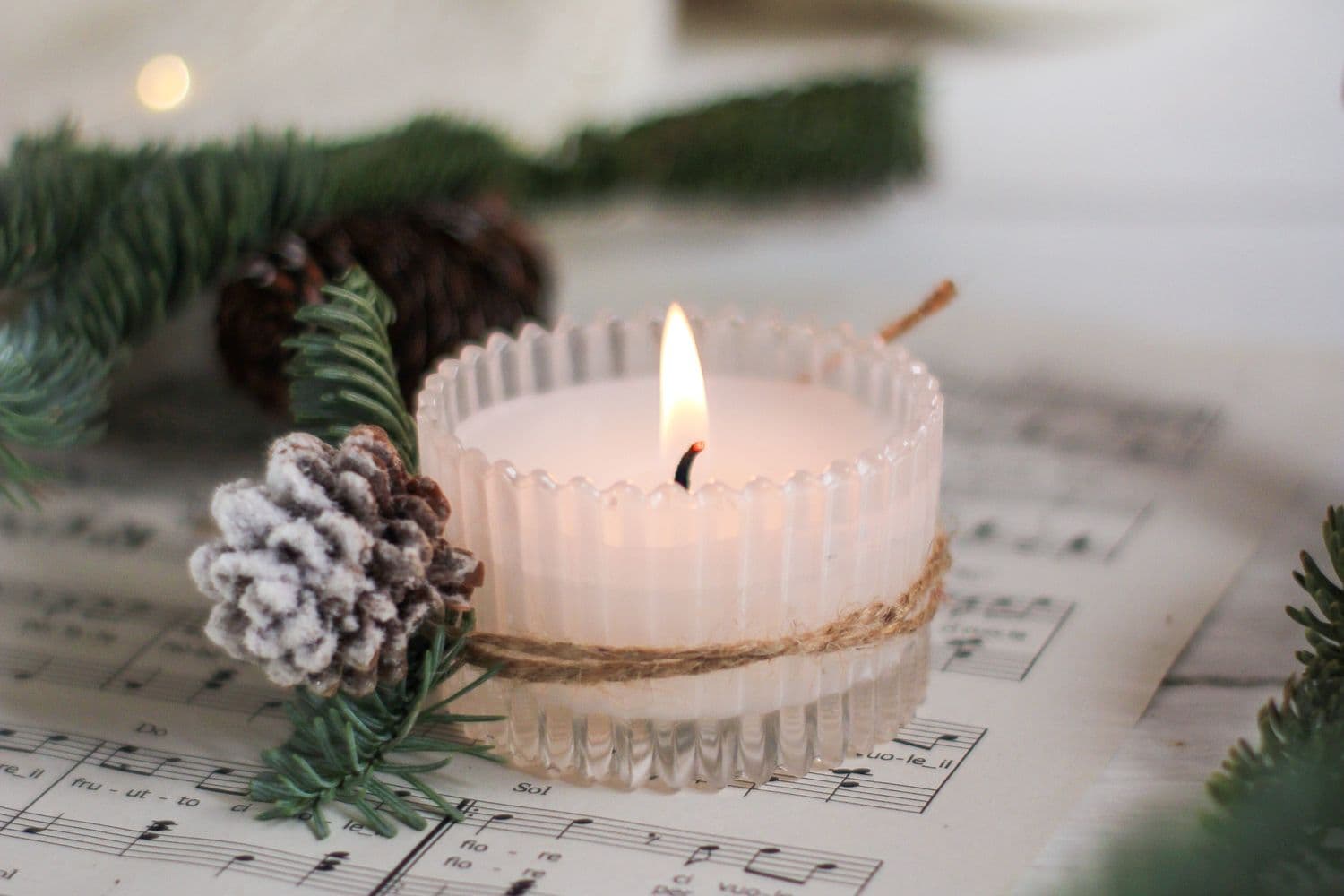
We sing them every December without a second thought, but the carols themselves have wilder histories than the gentle tunes suggest. One was written for a broken organ. One was meant for Thanksgiving. One started as a Ukrainian song about a bird. Here's where caroling came from, and the surprising story behind 13 of the most famous.
Where caroling came from
The word "carol" comes from the medieval French carole, which originally meant a round dance accompanied by singing, not a Christmas song specifically. For centuries, seasonal singing was tied to wassailing, the midwinter custom of going house to house singing for food, drink, and good fortune (that's the literal subject of "We Wish You a Merry Christmas," with its demand for figgy pudding).
Caroling nearly disappeared in the 1600s, when Puritan authorities in England suppressed Christmas festivities altogether. It came roaring back in Victorian England, when a renewed enthusiasm for Christmas, fueled partly by Dickens and by Prince Albert's German traditions, led people to collect, write, and publish carols in earnest. Most of the carols we think of as timeless were actually written or popularized in the 1800s and 1900s.
The stories behind 13 carols
Silent Night (1818)
The most famous origin story of all. On Christmas Eve 1818 in the Austrian village of Oberndorf, priest Joseph Mohr brought a poem to organist Franz Gruber, who set it to music. By tradition the church organ was broken, so the carol premiered that night played on guitar. "Stille Nacht" has since been translated into hundreds of languages and is recognized by UNESCO as intangible cultural heritage.
Jingle Bells (1857)
Written by James Lord Pierpont as "One Horse Open Sleigh," it was a secular winter song, by some accounts intended for Thanksgiving, with no reference to Christmas at all. It later became a holiday standard, and in 1965 it became the first song broadcast from space by the Gemini 6 astronauts.
O Holy Night (1847)
A French carol ("Cantique de Noël"), with words by poet Placide Cappeau and music by Adolphe Adam. There's a persistent legend that it was the first piece of music ever played on the radio, by Reginald Fessenden on Christmas Eve 1906. It's also long been admired for its quietly radical line about the slave being our brother, written before the US Civil War.
Hark! The Herald Angels Sing (1739)
The words were written by Charles Wesley, co-founder of Methodism, in 1739. The soaring melody everyone knows came more than a century later, when an 1840 Felix Mendelssohn cantata was fitted to Wesley's words (by William Cummings, in 1855), a tune Mendelssohn himself thought would never suit sacred words.
We Wish You a Merry Christmas (16th century-ish)
A West Country English wassailing song, sung by carolers going door to door, which is why it cheerfully refuses to leave until it's been brought "figgy pudding." It's less a hymn than a friendly demand for treats.
Carol of the Bells (1916 / 1936)
The melody is Ukrainian: "Shchedryk," arranged by composer Mykola Leontovych in 1916 from a folk chant. It was originally a New Year's song about a swallow foretelling a bountiful spring, with no Christmas connection. American composer Peter Wilhousky wrote the English "Carol of the Bells" lyrics in 1936.
Good King Wenceslas (1853)
Written by John Mason Neale, it tells of a real person: Wenceslaus I, a 10th-century Duke of Bohemia later canonized as a saint, who braves bitter weather to bring food to a poor man. The tune is older still, borrowed from a 13th-century spring carol.
Deck the Halls (16th century)
The "fa la la la la" melody is a 16th-century Welsh New Year's tune called "Nos Galan." The familiar English lyrics were added much later, in the 1800s. The original Welsh words were about the coming year, not Christmas.
Joy to the World (1719)
Written by hymn-writer Isaac Watts, and here's the twist: it wasn't originally a Christmas carol at all. Watts based it on Psalm 98 and intended it as a song about Christ's second coming, not his birth. It only became attached to Christmas later.
Rudolph the Red-Nosed Reindeer (1939 / 1949)
Rudolph began not as a song but as a promotional booklet written by Robert L. May for the Montgomery Ward department store in 1939, to give away to shoppers. A decade later, May's brother-in-law Johnny Marks turned it into the song, and Gene Autry's 1949 recording made it a worldwide hit.
White Christmas (1942)
Irving Berlin wrote it for the film Holiday Inn, and Bing Crosby's recording became the best-selling single of all time, by most estimates over 50 million copies. The story goes that Berlin, who was Jewish, called it the best song anybody ever wrote.
The Little Drummer Boy (1941)
Originally titled "Carol of the Drum," it was written by American composer and teacher Katherine Kennicott Davis in 1941. Its "pa rum pum pum pum" refrain imitates the drum the poor boy plays as his only gift.
All I Want for Christmas Is You (1994)
Mariah Carey and Walter Afanasieff wrote the modern juggernaut in 1994, reportedly in about fifteen minutes. In a fittingly strange twist, it didn't actually reach number one on the Billboard Hot 100 until 2019, a full 25 years after its release, and it has topped the chart every December since.
The pattern behind the carols
Notice how many of these weren't born as Christmas songs at all: Jingle Bells for Thanksgiving, Carol of the Bells for the new year, Joy to the World for the second coming, Deck the Halls as a Welsh new-year tune. The Christmas carol canon is less a fixed tradition than a centuries-long borrowing, of dances, drinking songs, folk tunes, and poems, gradually gathered under one season.
For more facts that catch people out, our Christmas trivia questions are full of them, the 12 Days of Christmas explainer unpacks the strangest carol of all, the history of Santa Claus traces the same kind of centuries-long borrowing, and the Christmas around the world map shows how the music and traditions shift from country to country.
Share this guide
Frequently asked questions
Where did Christmas caroling come from?
What is the oldest Christmas carol still sung today?
What was 'Jingle Bells' originally written for?
Why is 'Carol of the Bells' Ukrainian?
Which famous Christmas carol was written for a broken organ?
Keep reading
The History of the Christmas Tree (from Pagan Evergreens to Pre-Lit)
How the Christmas tree really came to be: ancient evergreen worship, the medieval Paradise tree, the 16th-century German invention, the Victorian engraving that made it fashionable, and how it lit up and went artificial.
The Best Christmas Storage to Buy (Trees, Ornaments, Lights & More)
How to store Christmas decorations so they last, and what storage is actually worth buying: tree bags, ornament boxes, light reels, wreath and garland storage, and gift-wrap organizers. Plus what to buy in the January sales.
The Best Christmas Movies of All Time (27 Picks, Sorted by Mood)
A curated, honest guide to the best Christmas movies: the undisputed classics, modern favorites, family picks, the funny ones, the romantic ones, and the underrated gems. Plus the eternal Die Hard question, settled.
Prefer pen & paper?
The Christmas Planner
A 25-page printable kit covering budget, gifts, hosting, and decor, built on the same planning logic as this tool. Print it once, keep it in a binder, and reuse it every year.
Or grab 3 pages free first.
Decor that suits the home you have.
Seasonal decorating tips and the occasional new tool, straight to your inbox. One list, no spam.