By Holiday Home Ideas Editorial Team · June 20, 2026
The 12 Days of Christmas, Explained (What the Song Actually Means)
What the 12 Days of Christmas actually are (they start on Christmas, not before it), what the song's gifts mean, the 'secret Catholic code' myth debunked, the total gift count, and what all 364 gifts would cost today.
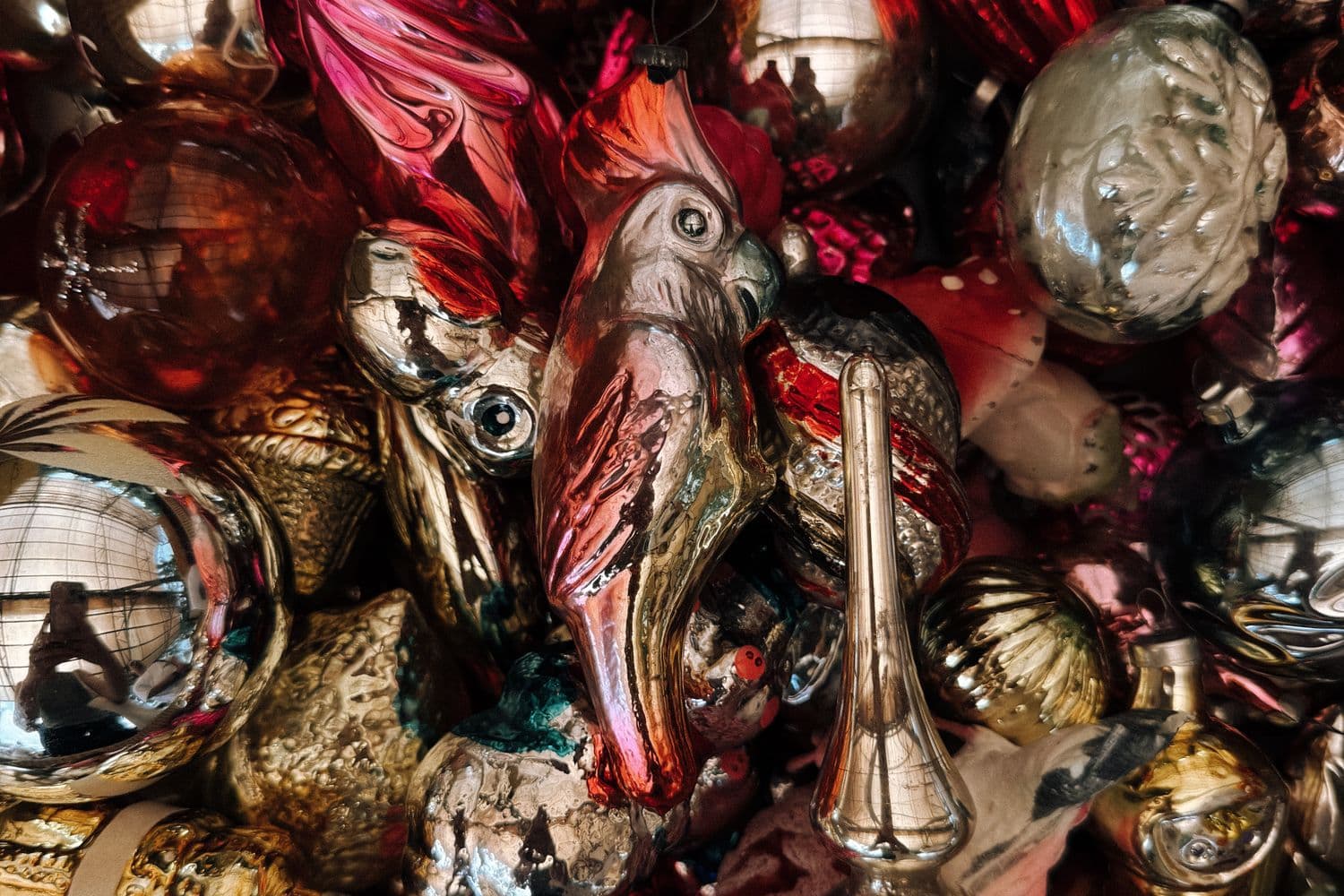
Almost everyone knows the song, and almost everyone gets the basics wrong. The 12 Days of Christmas aren't a countdown to Christmas, the gifts probably aren't a secret religious code, and the total number of gifts is far stranger than you'd guess. Here's what the carol actually means, where it came from, and the myths worth retiring.
When are the 12 days of Christmas? (Not before Christmas)
This is the big one. The 12 Days of Christmas begin on Christmas Day, December 25, and run through January 5, which is known as Twelfth Night. The season closes with Epiphany on January 6, the feast marking the arrival of the Magi, the three wise men, to visit the newborn Jesus.
So the "twelve days" are the twelve days after Christmas, not the shopping countdown before it. This older rhythm still shapes how much of the world celebrates: in many countries the main gift-giving day is Epiphany, not December 25. In Spain and much of Latin America, the Three Kings bring gifts on January 6; in Italy, the witch La Befana arrives the same night. You can see how that plays out country by country on the Christmas around the world map.
It's also why the tradition says to leave decorations up until Twelfth Night. Taking the tree down on December 26 is a modern habit, not the historical one.
Where the song came from
"The Twelve Days of Christmas" first appeared in print in 1780, in an English children's book called Mirth without Mischief. It was almost certainly a memory-and-forfeits game: players took turns reciting the growing list of gifts, and anyone who fumbled a line owed a small forfeit, a kiss or a sweet. That cumulative, build-as-you-go structure is the whole point of the song, and the reason it's survived for nearly 250 years.
The version everyone sings today, including the drawn-out "five gold rings," was standardized by the English composer Frederic Austin in 1909. His arrangement fixed the melody and a few of the lyrics in their now-familiar form.
The gifts (and the one that isn't what you think)
The full list, day by day:
- A partridge in a pear tree
- Two turtle doves
- Three French hens
- Four calling birds
- Five gold rings
- Six geese a-laying
- Seven swans a-swimming
- Eight maids a-milking
- Nine ladies dancing
- Ten lords a-leaping
- Eleven pipers piping
- Twelve drummers drumming
Two things worth knowing. First, the "four calling birds" were originally "four colly birds" ("colly" is an old word for black, so they were blackbirds), which means the first seven gifts are all birds. Second, some scholars think even the "five gold rings" referred to birds, the ring-necked pheasant, rather than jewelry, which would make seven straight days of poultry before the song finally moves on to geese and swans.
The "secret Catholic code" myth
Here's the story you've probably heard: that during a time when Catholicism was suppressed in England, the song was written as a secret catechism, a coded way to teach the faith. The partridge is Jesus, the two turtle doves are the Old and New Testaments, the three French hens are faith, hope, and charity, and so on up to the twelve drummers for the points of the Apostles' Creed.
It's a charming story. It's also almost certainly not true. Folklorists and fact-checkers have found no historical evidence for it, the idea only surfaces in the late 20th century, and most of the "hidden" doctrines weren't uniquely Catholic anyway, so there'd have been nothing to hide. The far likelier explanation is the boring one: it was a fun, silly counting game for children, and the meanings were invented centuries later.
How many gifts in total? (The trivia trap)
Add up every gift across all twelve days and you get 364, almost one for every day of the year.
The trick is that the song is cumulative. Your true love doesn't give one partridge total; they give a partridge on each of the twelve days. Two turtle doves arrive on eleven of the days, three French hens on ten, and so on. Tally every gift on every day and it comes to 364. (For the record: that's 12 partridges, 22 turtle doves, 30 French hens, and so on, with the middle gifts like six geese and seven swans appearing the most.) It's one of the best Christmas trivia questions precisely because almost everyone guesses 78 or 12.
What would all the gifts cost today?
Quite a lot. Since 1984, PNC Bank has published the "Christmas Price Index," a half-serious economic tradition that prices out every gift in the song each year and uses the change as a quirky measure of inflation. Buying one of each gift runs into the tens of thousands of dollars; buying all 364 cumulatively pushes well past $200,000 in recent years. The lords-a-leaping (hiring ten professional dancers is not cheap) and the swans tend to be the costliest lines, while the partridge is mercifully cheap.
The short version
The 12 Days of Christmas start on Christmas and end at Epiphany on January 6. The song is a 1780s English counting game, not a secret code. The "calling birds" were blackbirds, the gifts total a surprising 364, and buying them all would cost more than a car. It's the rare carol that's more interesting the closer you look.
For more of this kind of thing, our Christmas trivia questions are full of facts that catch people out, the real history of Santa Claus is packed with the same kind of surprises, and the Christmas around the world map shows how the Epiphany side of the season actually plays out across 41 countries.
Share this guide
Frequently asked questions
When are the 12 days of Christmas?
What do the 12 days of Christmas gifts represent?
How many total gifts are given in the 12 days of Christmas?
What are 'colly birds' in the 12 days of Christmas?
How much would all the 12 Days of Christmas gifts cost today?
Keep reading
The Best Christmas Gifts (by Who You're Shopping For)
An editorial Christmas gift guide organized by recipient: the host, the hostess, the new homeowner, the teacher, the cook, the hard-to-shop-for person, the minimalist, and the kid who has everything. Specific picks with reasoning, not generic listicles.
When to Put Up Christmas Decorations (and When to Take Them Down)
The honest answer to the annual argument: what most American households actually do, what the traditional calendars say, why outdoor lights should go up weeks before you turn them on, and how to pick a start date that fits your house instead of somebody else's rule.
Christmas Gift Ideas by Budget: $25, $50, and $100 That Feel Generous
A gift's warmth has almost nothing to do with its price band. How to give well at $25, $50, and $100: what each budget does best, the categories that overperform, and the traps that make any budget feel thin.
Prefer pen & paper?
The Christmas Planner
A 25-page printable kit covering budget, gifts, hosting, and decor, built on the same planning logic as this tool. Print it once, keep it in a binder, and reuse it every year.
Or grab 3 pages free first.
Decor that suits the home you have.
Seasonal decorating tips and the occasional new tool, straight to your inbox. One list, no spam.