Christmas in
New Zealand
Celebrated: December 24-26
Signature traditions
- 1.Summer Christmas, temperatures in the 70s-80s°F (mid-20s°C) shape a beach-and-BBQ celebration
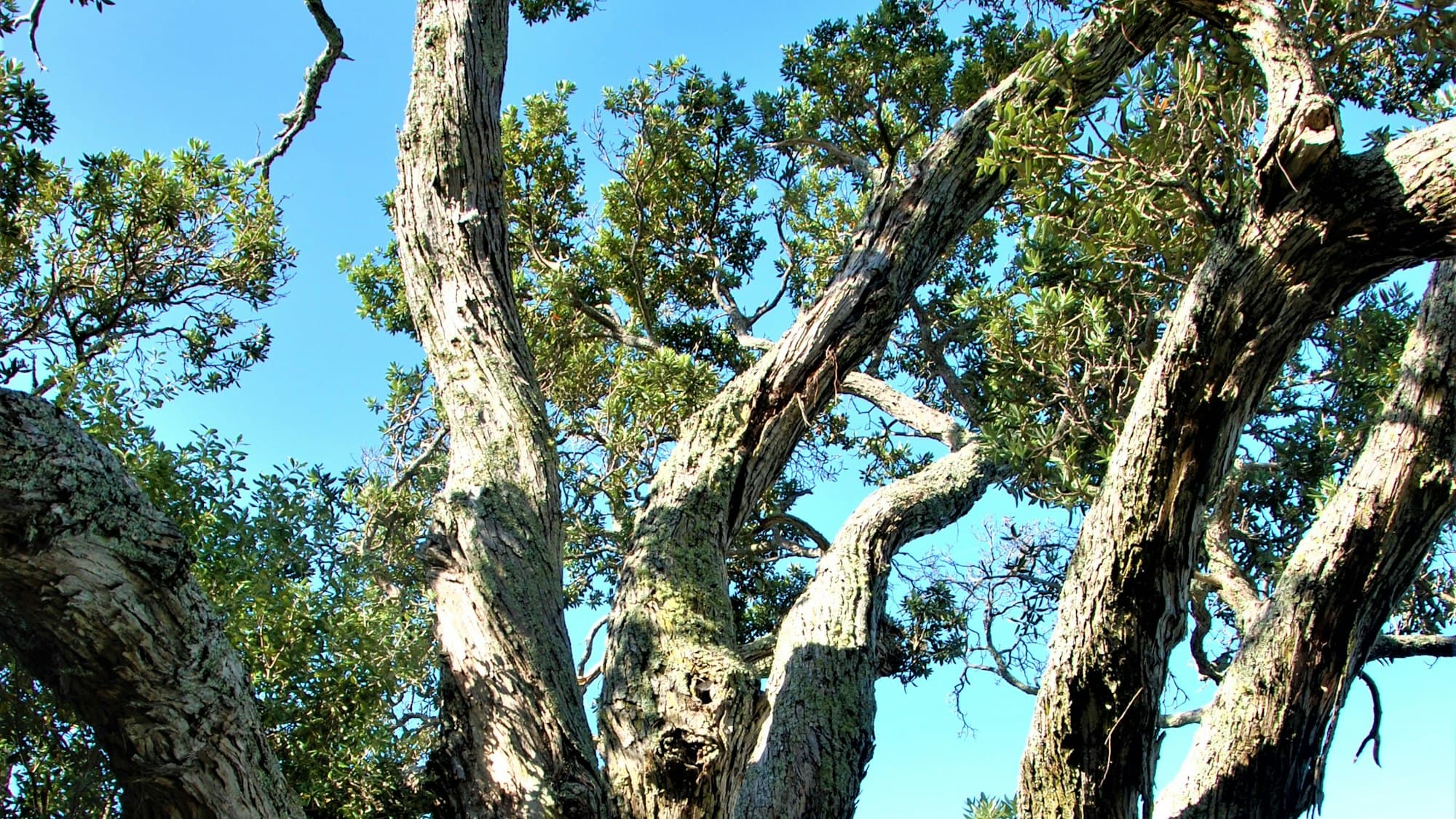
- 2.The pohutukawa tree (the 'New Zealand Christmas tree') blooms with vivid crimson flowers in December
- 3.Beach BBQ on Christmas Day in coastal communities, with seafood, lamb, and salads replacing traditional roasts
- 4.Boxing Day on December 26 is a public holiday, sales, sport, and continued family gatherings
- 5.Pavlova rivalry with Australia, both nations claim the iconic meringue dessert
What's on the table
Pavlova and BBQ
A summer BBQ replaces the traditional roast in many New Zealand homes. Pavlova (a meringue cake with whipped cream and seasonal summer fruit (kiwifruit, strawberries, passionfruit)) is the iconic Kiwi Christmas dessert.
The iconic decoration
Pohutukawa tree imagery
The pohutukawa tree's bright red blooms (peaking right around Christmas) appear on cards, decorations, and tree-toppers across New Zealand. Coastal homes often decorate with actual pohutukawa branches.
How gifts are given
Father Christmas (or 'Santa') delivers gifts overnight on Christmas Eve. Boxing Day shopping is the traditional time for spending gift money or scoring sales.
But who delivers yours?
There are eight cultural Christmas gift-givers around the world — Santa Claus, La Befana, the Yule Lads, Ded Moroz, Sinterklaas, the Three Kings, Christkind, and Joulupukki. Take the 6-question quiz to find out which one matches you.
Take the gift-giver quizDid you know?
The pohutukawa tree, native to New Zealand, is widely known as the 'New Zealand Christmas tree.' Its crimson flowers bloom in December (peak intensity right around Christmas Day) providing a uniquely Southern Hemisphere icon for the season. It's also a sacred tree in Māori culture, central to the homeland's identity.
The shape of the season
Christmas in New Zealand arrives in the middle of summer, and that single fact reshapes everything. December 25 lands near the longest days of the year, with temperatures typically in the low 70s Fahrenheit (around 23 Celsius in Auckland), so the whole celebration moves outdoors: to the beach, the bach (the Kiwi holiday cottage), the garden, and the barbecue. Snow, fireplaces, and heavy roasts give way to sunshine, seafood, and pavlova. And presiding over it all is a crimson-flowering tree found nowhere else, blooming right on cue.
A summer Christmas
The Southern Hemisphere timing makes a New Zealand Christmas a summer holiday in the fullest sense. It falls at the start of the long summer school break, so many families travel to the coast, to the lakes, to the bach, and the celebration blends into weeks of summer leisure. The imagery is double-coded and a little surreal: shop windows still show snowmen and fur-trimmed Santas, while everyone's actually in shorts and jandals (flip-flops) heading to the beach. Kiwis lean into both, and Santa frequently turns up in a parade looking distinctly overdressed for the weather.
The pohutukawa, the New Zealand Christmas tree
New Zealand has its own Christmas tree, and it's a real one. The pōhutukawa, a coastal native, bursts into vivid crimson bloom in December, peaking right around Christmas Day, fringing beaches and cliffs with red. It's so identified with the season that it's universally called "the New Zealand Christmas tree," and its red blossoms appear on Christmas cards, decorations, and tree-toppers across the country; coastal families often decorate with actual pōhutukawa branches. The "Christmas tree" association itself dates to colonial-era settlers, but the pōhutukawa carries its own, older significance in Māori culture: the ancient pōhutukawa at Te Rerenga Wairua (Cape Reinga) is the place from which spirits of the dead are said to depart the land, and the tree was valued in traditional Māori medicine (rongoā). The Māori Christmas greeting is Meri Kirihimete.
The beach barbecue
The centerpiece of Christmas Day for many New Zealanders is not a dinner table but a barbecue, often on or near the beach. Out go the roast and the gravy; in come grilled meats, fresh seafood (crayfish, green-lipped mussels, snapper), new-season potatoes, and big salads, eaten outdoors in the sun. Some families keep a traditional roast, but a great many have happily swapped it for the relaxed, alfresco summer feast that the weather invites. It's Christmas as a long, warm, unhurried day outside.
At the table, and the pavlova question
The iconic Kiwi Christmas dessert is pavlova, a meringue cake, crisp outside and soft as marshmallow within, piled with whipped cream and summer fruit: kiwifruit, strawberries, and passionfruit. It's the perfect hot-weather dessert, light and fresh, and it appears on nearly every Christmas table. It also fuels a long-running, entirely good-natured rivalry with Australia, as both nations claim to have invented it. New Zealanders are quietly certain it's theirs. Alongside the pav you'll find summer berries, cherries (in peak season), and ice cream.
Boxing Day
The season doesn't end on the 25th. Boxing Day, December 26, is a public holiday and a Kiwi institution in its own right. It's the day of the big retail sales, of cricket and other summer sport, and of continued, more relaxed family gatherings. For many it's when gift money gets spent and the holiday eases into the wider summer break.
How gifts are given
Father Christmas (known here as "Santa") delivers gifts overnight on Christmas Eve, to be opened on Christmas morning before the day heads outdoors. Boxing Day is then the traditional time to spend gift money or chase the post-Christmas sales.
If you wanted to borrow this tradition
For anyone in a warm climate, the New Zealand Christmas is the model: stop fighting the weather and take the celebration outside. Swap the heavy roast for a barbecue, the rich pudding for a light, fruit-topped pavlova, and the indoor formality for a long, relaxed day in the sun. It's permission to let Christmas fit the place you actually live.
And the pōhutukawa is a lovely lesson in finding a local symbol for the season. Rather than importing pine and fake snow, New Zealand embraced the red-flowering native tree that happens to bloom exactly when Christmas comes.
Did you know
- New Zealand's first Christmas service was held on Christmas Day 1814, when the missionary Samuel Marsden preached from a makeshift pulpit at Oihi Bay in the Bay of Islands to a gathering of several hundred Māori, with the Ngāpuhi chief Ruatara translating the sermon.
- The Farmers Santa Parade has rolled through downtown Auckland since 1934 (with a pause for the Second World War) and has grown into a procession of more than 150 floats and some 4,000 participants.
- New Zealand was writing its own summer-Christmas songbook decades ago: one of the most popular Kiwi Christmas songs of the 1960s was "Sticky Beak the Kiwi," a homegrown number starring the national bird.
More from Oceania

Bring a little of it home
Borrowing one tradition from somewhere else is how most of the traditions on this page started.
Free AI tool
See your own home decorated
Upload one photo and watch your room or house transform, before you buy anything.
Interactive map
All 41 countries
Gift-givers, feast tables, and the surprising customs most articles skip.
City guides
Lights worth the drive
The best displays in 40 US cities, including the free neighborhoods.
More Christmas traditions across Oceania
Christmas ideas for your own home.
Seasonal decorating tips and the occasional new tool, straight to your inbox. One list, no spam.